
The Yost Post / Historical Collections
The Lexington Alarm of 1775
Discover the people, places, and warning network that carried the alarm through colonial Massachusetts and beyond.
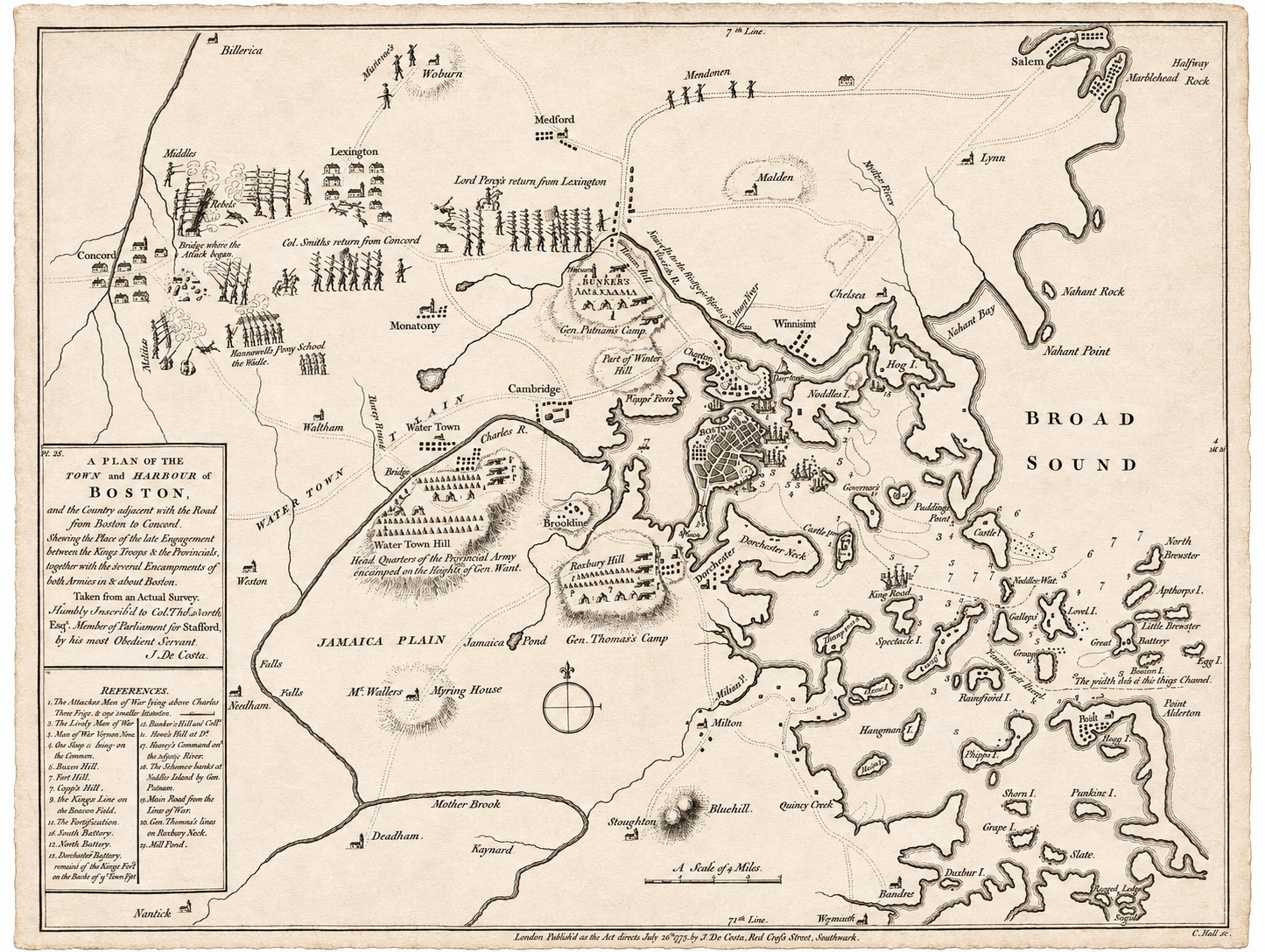
About the Collection
A Warning Carried by More Than One Rider
On the night of April 18, 1775, news of British troop movements began traveling through Massachusetts. Riders, messengers, watchmen, and local residents passed warnings from one community to the next. The alarm continued spreading even after fighting began at Lexington and Concord.
History remembers Paul Revere’s midnight ride. His journey, however, was only one part of a much larger network.
The Lexington Alarm of 1775 is an ongoing historical research collection dedicated to identifying the people, places, and communication networks involved in carrying that warning.
Our purpose is to document not only the familiar names, but also the lesser-known individuals and communities whose contributions helped spread the alarm across colonial America.
The focus of this collection is the alarm itself: its origins, preparations, delivery, and continued spread.
The Battles of Lexington and Concord are included only when they help explain the alarm’s timing, movement, and historical consequences.
Your Guide to the Collection
How to Explore the Lexington Alarm
This collection is organized so you can investigate the Lexington Alarm from several different historical perspectives.
You do not need to read this collection in order. Begin with a person, a town, a document, or a particular moment in the alarm. Related entries will help you follow the connections and discover more of the story.
Where to begin: The Origins chapter examines the development of the colonial warning system before April 18, 1775. Additional sections will become available as their historical research is completed.
Origins of the Alarm
Discover how colonial communication networks developed, who organized them, and what preparations were made before April 18, 1775.
Explore the Origins ↓Riders & Messengers
Meet the individuals who carried warnings, delivered messages, and helped spread the alarm.
Research in DevelopmentTowns & Locations
Explore the communities, roads, taverns, meeting places, and other locations connected to the warning network.
Research in DevelopmentTimeline of the Alarm
Follow the warning as it traveled from place to place, including its continued spread after fighting began.
Research in DevelopmentOriginal Documents
Examine surviving letters, firsthand accounts, official records, and other historical evidence.
Research in DevelopmentHistorical Questions
Investigate disputed stories, conflicting accounts, later traditions, and questions that remain unanswered.
Research in DevelopmentFeatured Research
Begin with the Origins
Origins of the Lexington Alarm
Before the famous midnight rides, Massachusetts Patriots had already developed political correspondence networks, organized militia companies, and prepared to warn communities of British military movements.
Explore the Committees of Correspondence, the Powder Alarm of 1774, the Massachusetts Provincial Congress, the Committee of Safety, and the preparations that preceded April 18, 1775.
Read the Origins Chapter →Understanding the Alarm
One Alarm, Overlapping Phases
The Lexington Alarm was not a single message carried by a single rider. Different warnings traveled through overlapping communication networks.
To follow the historical evidence accurately, this collection distinguishes the advance warning about British movements from the subsequent messages announcing that fighting had begun.
The Advance Warning
Watching British troop movements, preparing signals, and warning threatened communities before the first fighting.
The Continuing Alarm
Additional riders, copied letters, local messengers, and warnings spreading outward as events unfolded on April 19 and beyond.
Our Approach to the Historical Record
Following the Evidence
The Yost Post seeks to distinguish documented historical facts from later traditions and uncertain accounts.
Wherever possible, our research identifies the original records supporting each person, place, and event.
Contemporary documents, firsthand recollections, later histories, and local traditions are not treated as interchangeable.
We distinguish documented facts, reasonable interpretations, disputed claims, and unanswered questions.
For example, a town known to have mobilized its militia is not automatically recorded as having received the warning from a particular rider.
This is a growing historical collection. New individuals, locations, documents, and historical connections will be added as additional evidence is examined.
Our goal is to follow the alarm wherever the historical record leads, and to remember the people and communities who carried it.